
Thyme is Money: Why This Herb Is Worth the Investment (and the Wait)
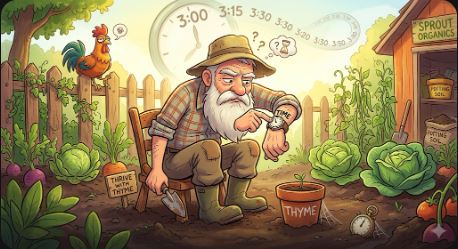
If there is one thing we understand at Sprout Organics, it’s that “Thyme” is a bit of a comedian. It’s the only plant in your garden that sounds like a deadline but moves at the pace of a slow Sunday morning in Nairobi. You plant it, you watch it, and you wait. Then, the moment you decide to whip up a roasted chicken or a fancy herb-infused stew, you realize you’ve run out of it in roughly five minutes.
In the world of organic gardening, Thyme is literally money. Whether you are growing it to save on grocery bills or scaling it up as part of a technical agricultural project, this aromatic powerhouse is a high-value asset. But why does it feel like such a high-stakes game? Let’s break down the “Thyme” management skills you need to turn those tiny leaves into big garden wins.
The Patience Paradox
Many of our customers at the nursery ask why their Thyme isn’t exploding out of the pot like Mint does. Here’s the technical truth: Thyme is a perennial with a “slow and steady” philosophy. It spends its early days building a woody, resilient structure. It’s not being lazy; it’s being strategic.
Because it’s a Mediterranean herb, it’s adapted to thrive in well-drained soil and plenty of Kenyan sunshine. If you try to rush it with too much water or heavy fertilizers, you’ll end up with a plant that has “commitment issues”—root rot and a very short lifespan.
How to Harvest Without Going Broke
The biggest mistake beginners make is the “Clear Cut” method. They need Thyme for one recipe, so they give the plant a buzzcut. This is the fastest way to lose your investment.
-
The 1/3 Rule: Never harvest more than one-third of the plant at once. Think of this as your “savings account.” Leaving the rest ensures the plant has enough energy to regenerate.
-
Target the Tips: Always snip the soft, green tips rather than the woody stems. The tips are where the most flavorful oils are concentrated, and cutting them actually encourages the plant to branch out and become bushier.
-
Morning Harvest: If you want the strongest aroma, harvest in the morning after the dew has dried but before the midday sun hits. This is when the essential oils are at their peak.
Final Thoughts
At the end of the day, Thyme is a reflection of your gardening journey. It requires observation, the right environment, and a bit of a sense of humor when it takes its sweet time to grow. But once you have a thriving patch, you’ll never have to “spend” money on those plastic-wrapped grocery store sprigs again.
Ready to start your Thyme bank? Visit our shop page to grab your organic seedlings and let’s get growing! 🌱☀️