
Want To Start Your Own Home Garden?😄
🌱 From Seed to Plate: How to Start Your Dream Kitchen Garden! 🥗
Growing your own food is one of the most rewarding ways to connect with nature while ensuring your family enjoys fresh, healthy, and chemical-free produce. The best part? You don’t need a large backyard to get started. Even a small balcony can be transformed into a thriving kitchen garden. 🏡✨
The secret lies in using organic methods to build a strong, healthy foundation for your plants. With the right approach and quality inputs, you can grow nutritious food right at home.
Here’s your step-by-step guide to building a successful kitchen garden using premium organic inputs. 🌿👇
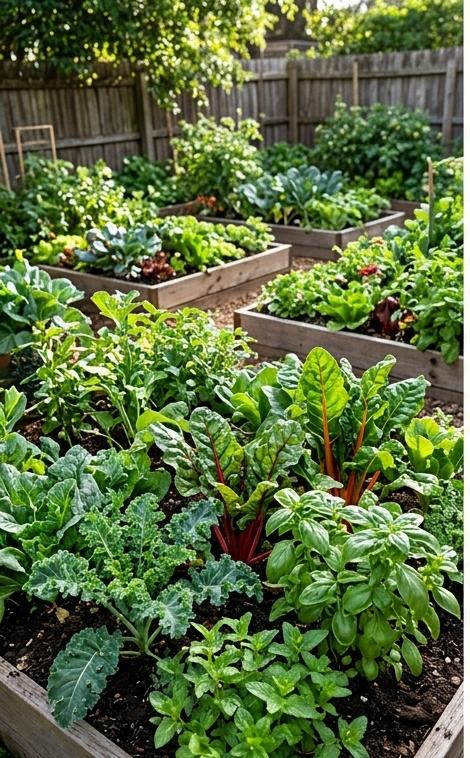
☀️ 1. Find Your “Sunny Spot”
Sunlight is essential for plant growth. Most vegetables need at least 6–8 hours of direct sunlight daily to thrive.
- Backyard gardens: Choose a flat, open space away from large trees that may block sunlight. 🌳
- Balcony gardens: Use containers! A sunny corner is all you need to grow herbs, leafy greens, and even tomatoes. 🍅
A good location sets the stage for everything else in your garden.
💩✨ 2. The Secret is in the Soil
Healthy soil is the foundation of a productive garden. Regular soil can often be too compact or lacking nutrients, which limits plant growth.
- For containers: Use a light, well-balanced potting mix. It allows proper drainage and keeps roots healthy and oxygenated. 🪴
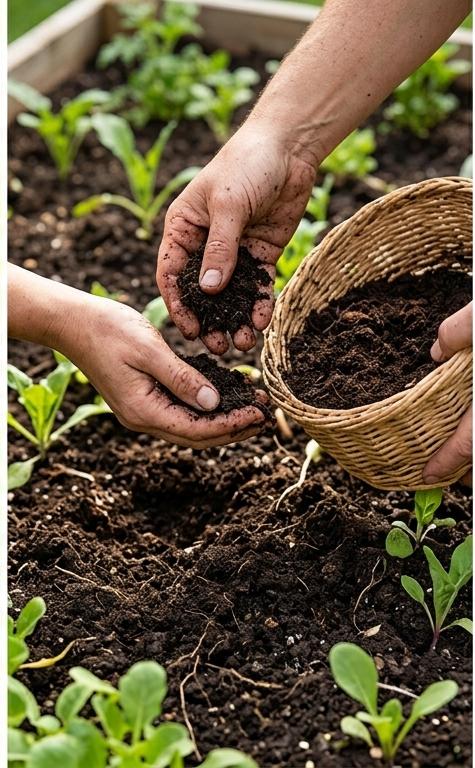
- For ground beds: Enrich your soil with vermicompost, often called “Black Gold.” It is packed with beneficial microbes that improve soil structure and boost plant growth. 🪱💎
Investing in quality soil ensures stronger plants and better yields.
🥬 3. Pick Your Green Favorites
Start with crops you enjoy eating. This keeps gardening fun and rewarding, especially for beginners.
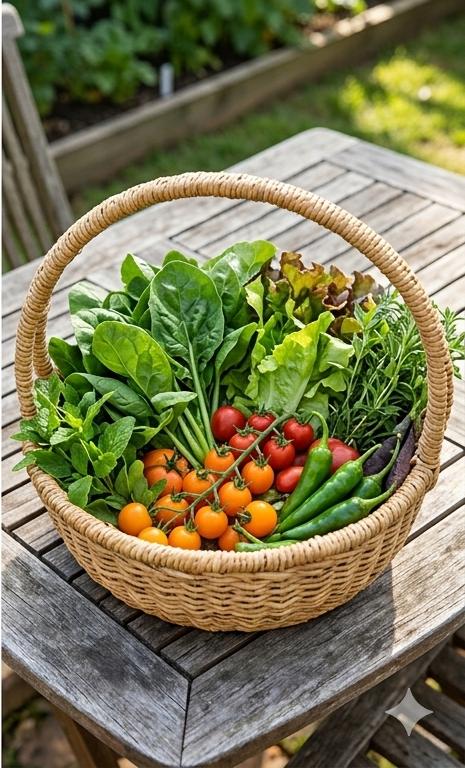
- Leafy greens: Spinach, Sukuma Wiki (kale), and lettuce 🥗
- Herbs: Basil, Dhania (coriander), and mint 🌿
- Vegetables: Cherry tomatoes and chilies 🌶️
These plants are easy to grow and produce quickly, giving you confidence as you build your garden.
💧 4. Feed Them the Good Stuff
Once your plants begin to grow, they need consistent nourishment. Avoid synthetic chemicals and go for natural, organic feeding methods.
- Use a liquid organic fertilizer to strengthen plants and improve resistance to pests and diseases. 🛡️🌱
- Add vermicompost around the base of your plants every few weeks. This provides a slow and steady release of nutrients, keeping your plants healthy and productive.
Think of it as giving your plants a nutritious snack to keep them thriving. 😋
🚿 5. Water & Love
Watering is more than just pouring water—it’s about timing and care.
- Water early in the morning 🌅 so moisture can soak deep into the soil before the heat of the day.
- Mulching: Cover the soil with organic material to retain moisture, regulate temperature, and protect roots. ❄️
Consistent care and attention will make all the difference in your garden’s success.
🌍💚 Why Go Organic?
Choosing organic gardening isn’t just about growing food—it’s about creating a sustainable ecosystem.
Organic practices help you:
- Grow healthier and tastier vegetables
- Improve soil fertility over time
- Protect your home and environment from harmful chemicals
It’s a simple step toward a healthier lifestyle and a greener planet.
🙌 Ready to Get Your Hands Dirty?
Starting your kitchen garden is an exciting journey, and you don’t have to do it alone. With the right tools and organic inputs, you’ll be well on your way to growing fresh, vibrant produce at home. 🌻
Join our gardening community to get expert tips, exclusive deals, and guidance on organic farming.
👉 Sign up today and start growing your dream garden! 📧✨