
Rosemary Plant Care: Sun, Soil, and Water Tips
If plants had personalities, rosemary would be the independent friend who loves sunshine, rarely complains, and somehow always has their life together. 😎🌿
Known for its fragrant leaves, culinary uses, and beautiful evergreen appearance, rosemary is one of the most rewarding herbs to grow at home. Whether you’re planting it in your garden, a balcony container, or near your kitchen window, rosemary can thrive for years with surprisingly little maintenance.
The secret? Give it the right balance of sun, soil, and water, and it will reward you with lush growth, wonderful fragrance, and a constant supply of fresh herbs for your favorite meals. 🍽️✨
Why Grow Rosemary? 🌱
Rosemary is more than just a cooking herb.
It’s a versatile plant that offers several benefits:
✅ Aromatic foliage that smells amazing
✅ Fresh herbs for cooking
✅ Attractive evergreen appearance
✅ Drought tolerance once established
✅ Pollinator-friendly flowers 🐝
✅ Suitable for gardens and containers
It’s one of those plants that keeps giving long after you bring it home.
Sunlight Requirements ☀️
When it comes to sunshine, rosemary is a true sun lover.
In fact, the more sunlight it receives, the happier it tends to be.
Ideal Sunlight Conditions
- At least 6–8 hours of direct sunlight daily
- A bright, open location
- Protection from heavy shade
Rosemary originates from the Mediterranean region, where sunny conditions are the norm. If planted in too much shade, the plant may become weak, leggy, and less productive.
Signs Your Rosemary Needs More Sun
🌿 Thin, stretched stems
🌿 Sparse growth
🌿 Pale leaves
🌿 Reduced fragrance
If your rosemary starts looking like it’s reaching desperately for the sun, it’s probably asking for a brighter location. 😅
Choosing the Right Soil 🌱
Many gardening problems start underground.
Fortunately, rosemary is not demanding when it comes to soil, but there is one thing it absolutely dislikes:
Waterlogged roots.
The Best Soil for Rosemary
Rosemary prefers:
✅ Well-draining soil
✅ Light, loose texture
✅ Moderate fertility
✅ Good airflow around roots
Adding organic matter such as compost can improve soil structure while maintaining proper drainage.
Soil Mistakes to Avoid
❌ Heavy clay soil
❌ Constantly soggy conditions
❌ Poor drainage
❌ Overly compacted soil
Remember, rosemary would rather be slightly dry than constantly wet.
Watering Rosemary Correctly 💧
This is where many gardeners accidentally become rosemary’s worst enemy.
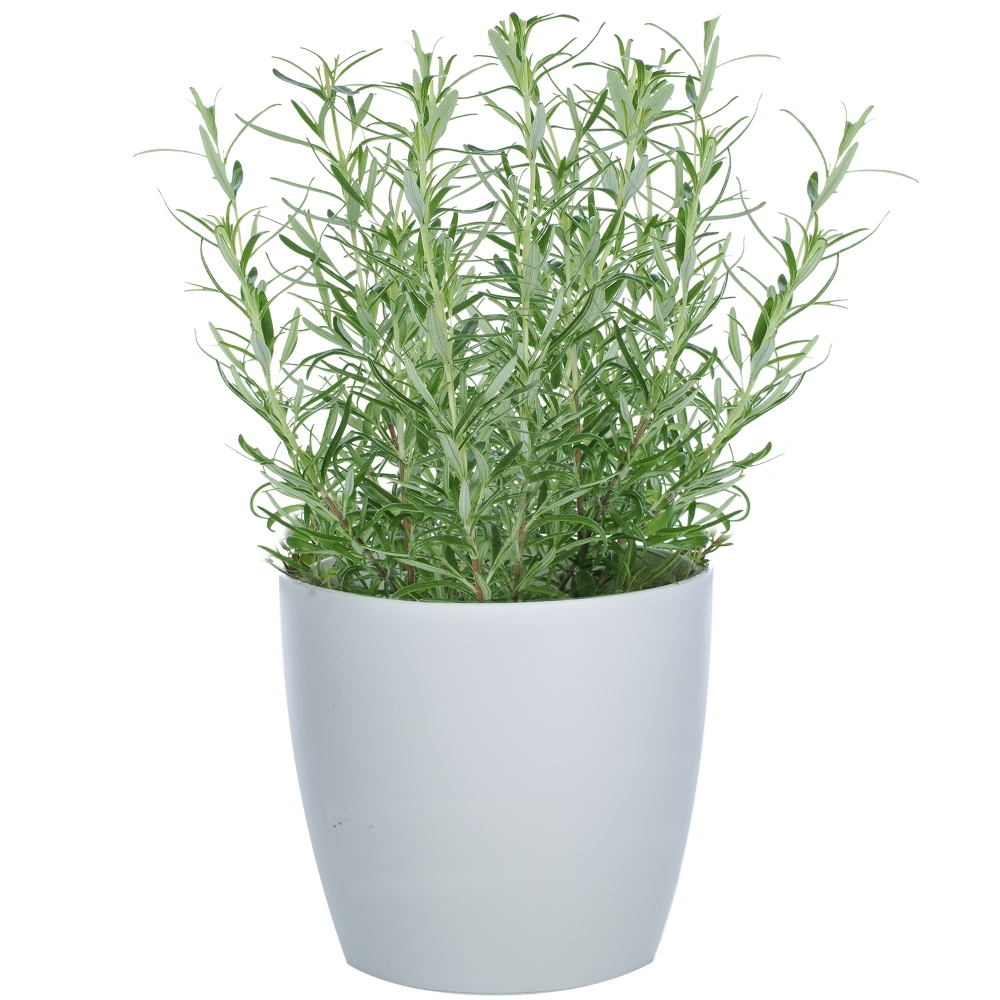
Because rosemary is drought-tolerant, overwatering causes far more problems than underwatering.
How Often Should You Water?
For newly planted rosemary:
💧 Water regularly while roots establish.
For established plants:
💧 Water only when the top layer of soil begins to dry.
Container-grown rosemary may require slightly more frequent watering than plants growing directly in the ground.
Signs of Overwatering
🚫 Yellowing leaves
🚫 Root rot
🚫 Wilting despite wet soil
🚫 Slow growth
Signs of Underwatering
🚫 Dry, brittle leaves
🚫 Drooping stems
🚫 Reduced growth
The goal is simple: keep the soil lightly moist but never soaked.
Think of rosemary as someone who enjoys a refreshing drink but absolutely refuses to live in a swimming pool. 😂
Growing Rosemary in Containers
Rosemary performs exceptionally well in pots and containers.
To succeed:
Choose the Right Pot
Select a container with drainage holes.
Without proper drainage, excess water can accumulate and damage the roots.
Use Quality Potting Mix
A well-draining potting mix provides the ideal growing environment.
Adding organic compost can help improve nutrient availability while maintaining soil structure.
Position Carefully
Place the container in a sunny location where the plant receives plenty of direct sunlight.
Balconies, patios, and sunny windows are excellent choices.
Feeding Rosemary 🌿
Rosemary doesn’t require heavy feeding.
In fact, excessive fertilizer can sometimes reduce the plant’s natural fragrance.
A modest application of:
🌱 Compost
🌱 Vermicompost
🌱 Organic soil amendments
can provide sufficient nutrients for healthy growth.
Slow and steady wins the race with rosemary.
Pruning for Health and Shape ✂️
Regular pruning encourages bushier growth and prevents the plant from becoming woody.
Benefits of Pruning
✅ Encourages new shoots
✅ Improves airflow
✅ Maintains attractive shape
✅ Provides fresh herbs for cooking
Never remove more than one-third of the plant at a time.
Your rosemary should leave its haircut looking refreshed, not traumatized. 😂🌿
Common Rosemary Problems 😅
Yellow Leaves
Usually caused by overwatering or poor drainage.
Weak Growth
Often linked to insufficient sunlight.
Root Rot
Typically occurs when soil remains consistently wet.
Leggy Stems
A sign that the plant needs more direct sunlight.
Fortunately, rosemary is resilient and usually recovers quickly once growing conditions improve.
Harvesting Rosemary 🌿🍽️
One of the best parts of growing rosemary is harvesting fresh sprigs whenever needed.
Simply trim healthy stems and use them in:
🍗 Roasted meats
🥔 Potatoes
🥖 Bread recipes
🥗 Salads
🍵 Herbal teas
Fresh rosemary instantly elevates home-cooked meals with its distinctive aroma and flavor.
Final Thoughts 🌱
Rosemary is one of the easiest and most rewarding herbs to grow. With plenty of sunlight, well-draining soil, and careful watering, it can thrive for years while providing beauty, fragrance, and fresh culinary herbs.
The formula is simple:
☀️ Plenty of sun
🌱 Well-draining soil
💧 Moderate watering
Give rosemary these three essentials, and you’ll have a healthy, productive plant that looks beautiful and smells incredible all year long.
Your garden—and your kitchen—will thank you. 🌿❤️